Health and safety rules when working from home


You must ensure that your employees can work healthily and safely. Also when they work from home. Under the Dutch Working Conditions Act (Arbowet), this is known as the employer's duty of care. Learn about the rules and find out what you are responsible for.
Ensure employees have a good workspace at home
As an employer, you must ensure a suitable and safe home workspace for your employees who want to work from home. This is known as the duty of care.
You must do your best to achieve this, as far as reasonably possible. For example, you can pay for or lend out workplace equipment, such as a good office chair or an extra monitor.
Discuss with your employees what they need to prevent physical health problems.
Health and safety self-inspection tool
Would you like to check if your company's working conditions policy is in order? Then try the Netherlands Labour Authority's health and safety self-inspection tool (only available in Dutch). This covers 6 steps, which each take a few minutes. A free translation tool can help you understand the questions and advice.
What are the requirements for a home workspace?
Your employees' home workspace must be:
- ergonomically sound. This means that furniture and equipment are designed to allow employees to work safely and healthily, taking human needs and physical characteristics into account.
- fitted with suitable equipment. For example, suitable lighting, a good desk chair, or a special keyboard.
Work-related costs scheme for the home workplace
You can usually reimburse your employees untaxed for aids for an ergonomic workspace. You can use the specific exemption in the work-related costs scheme (WKR) for this. This means that you do not have to pay wage tax on the amount that you reimburse.
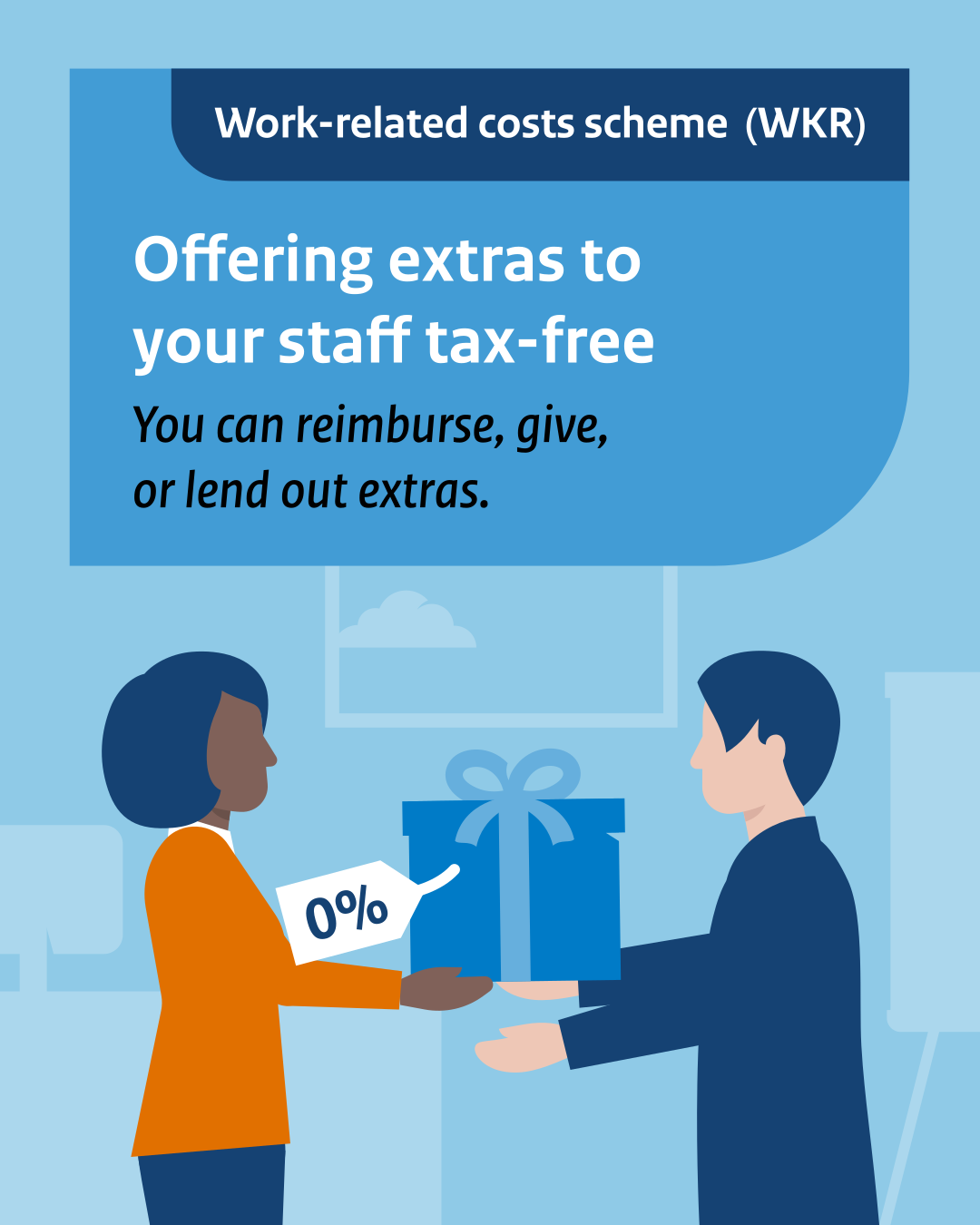
Work-related costs scheme: untaxed extras for your staff
You can reimburse, give, or lend out extras.
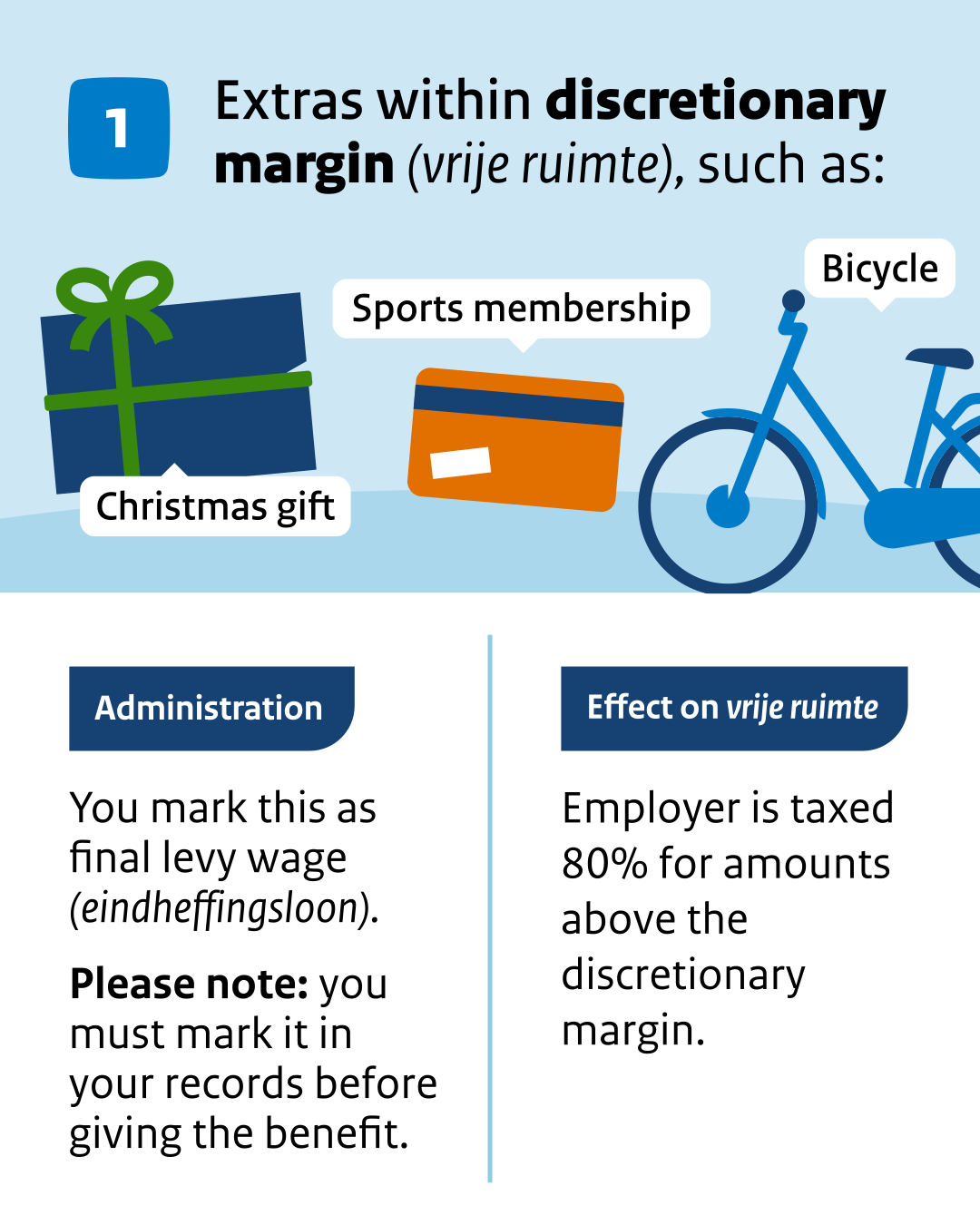
Extras within discretionary marginExamples:
- Sports membership
- Christmas gift
- Bicycle
Administration: you mark this in your administration as final levy wage. Please note: you must mark this before you give the benefit.
Effect on discretionary margin: employer is taxed 80% for amounts above the discretionary margin.
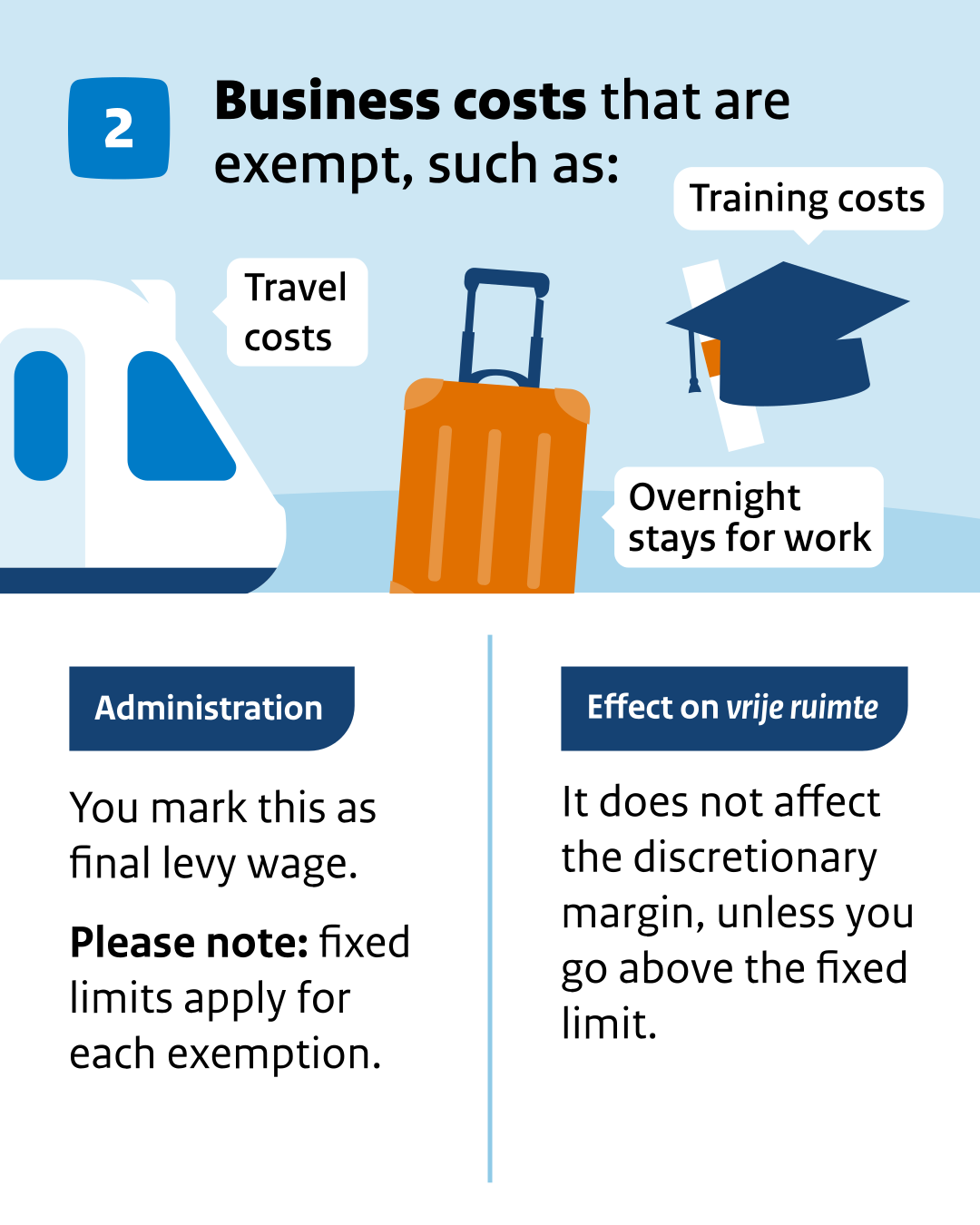
Exempted business costsExamples:
- Travel costs
- Training costs
- Overnight stays for work
Administration: you mark these costs as final levy wage in your administration. Please note: fixed limits apply for each exemption.
Effect on discretionary margin: these costs do not affect the discretionary margin, unless you go above the fixed limit.
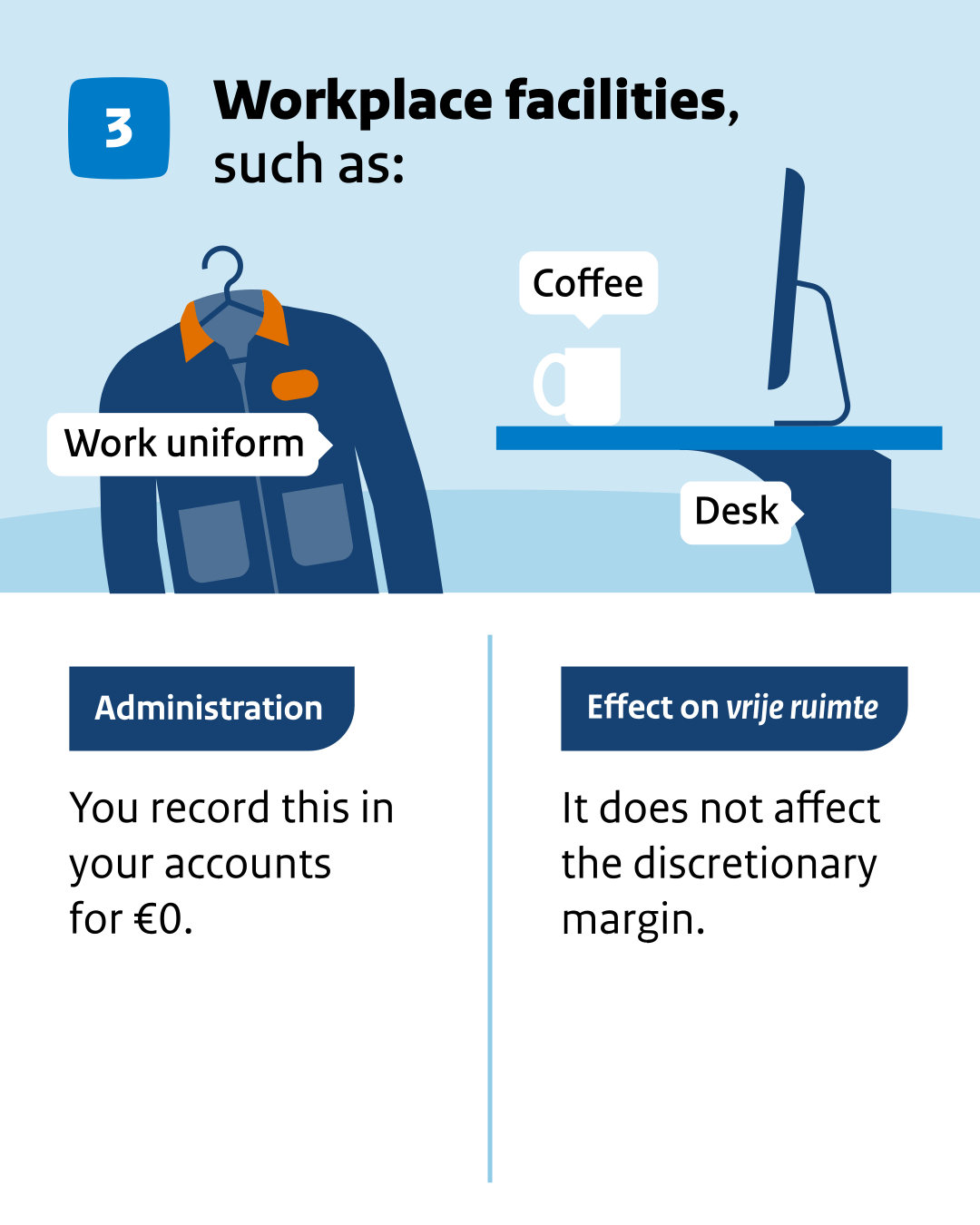
Workplace facilitiesExamples:
- Desk
- Work uniform
- Coffee
Administration: you put this in your accounts for €0 Effect on discretionary margin: these costs do not affect the discretionary margin.
Tip:First check if the extra you offer falls under an exemption. That way, more of your discretionary margin will be left over for other extras.
Inform employees about the risks
Provide employees who work from home with information on how to work safely and healthily. For example, on what a good home workspace looks like. Or about good posture while working. You must also provide your employees with information about the risks they face when working from home. For example, the risk of muscle and joint problems (RSI) or work-related stress.
Also keep in mind the rules for working with computer screens (in Dutch). For example, if your employee spends more than 2 hours per day working with a computer screen, the screen and keyboard must not be attached to each other. If using a laptop, a separate monitor or keyboard should be provided. The Arboportaal website also offers Dutch-language information about setting up a workspace with screens, plus tips for seated work.
Employees also have a personal responsibility
Your employees also have a personal responsibility to ensure a healthy and safe home working environment. For example, by making proper use of the resources you provide. And by speaking to you if they experience any issues or would like to make adjustments to their workspace.
Include working from home in your RI&E
Take working from home into account in your risk assessment and evaluation (RI&E). Working from home may involve different risks than working in the office. For example, employees may experience mental pressure when combining work with other obligations at home. You can set out what you are doing to mitigate these risks in a plan of approach within the RI&E.
You should also consider drawing up a policy on psychosocial workload.
What is in an RI&E? Watch the video
Checking the RI&E
If you do not have a (full) RI&E and plan of approach, the Netherlands Labour Authority can take enforcement action. For example, by issuing a fine.